In the high-stakes calculus of modern life, health and wealth have long been considered separate ledgers. We manage investment portfolios with precision, yet often treat our biological well-being as a reactive expense—a cost to be borne when systems fail. But a profound recalibration is underway. As we move through 2026, the most sophisticated form of capital allocation isn’t happening on trading floors; it’s happening in our homes and on our wrists. The fusion of advanced biotechnology, artificial intelligence, and consumer electronics has birthed a new paradigm: preventive health technology. This isn’t merely about tracking steps; it’s a financial risk mitigation strategy of the highest order, transforming early detection from a medical hope into an economic imperative.

The High Cost of Late-Stage Diagnosis: A Financial Anatomy
To understand the value of prevention, one must first comprehend the staggering, multi-layered cost of late diagnosis. A 2025 report from the Global Health & Wealth Institute quantified that a Stage IV cancer diagnosis can trigger, on average, over $250,000 in direct medical costs within the first 24 months. But the true financial hemorrhage is often hidden. It includes lost income (for both patient and often a caregiving spouse), decimated retirement savings due to early, penalized withdrawals, and the decimation of long-term investment compound growth. For chronic conditions like Type 2 diabetes or hypertension, the “drip-drip” of medication, specialist co-pays, and eventual complications like renal failure or cardiac events creates a lifelong financial anchor. This is the reactive model: a catastrophic drawdown on one’s human and financial capital exactly when resilience is lowest.
How Do At-Home Diagnostic Panels Work in 2026?
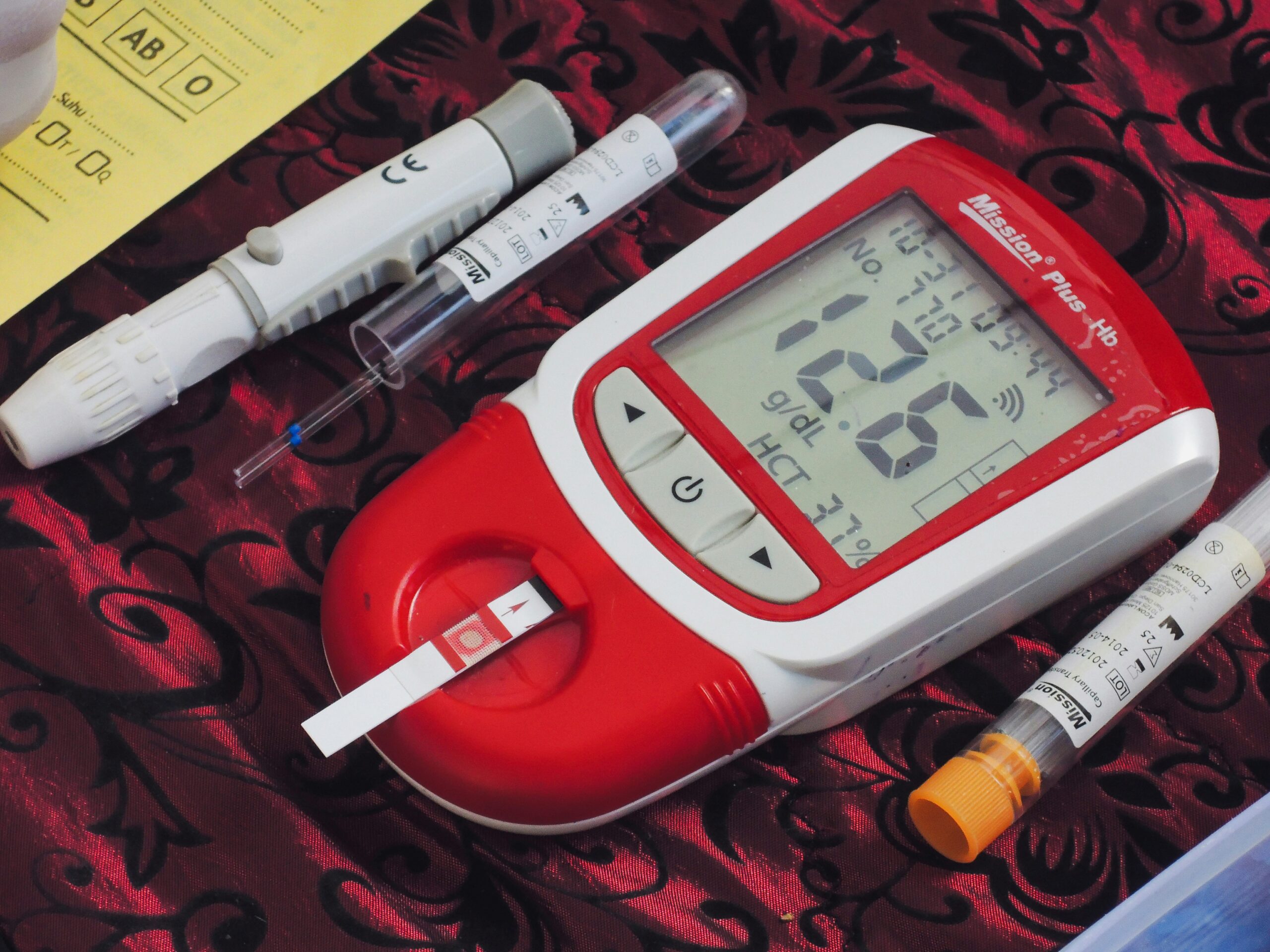
Gone are the days of a single glucose prick. Today’s at-home health monitoring systems are clinical-grade hubs. Devices like the Healux Pro Panel or NanoCheck Core use a combination of microfluidic chips and spectral analysis from a single finger-prick blood sample, measuring not just cholesterol, but advanced lipid profiles, inflammatory markers like hs-CRP, and even early cancer biomarkers such as ctDNA. These comprehensive health screening kits sync with AI-powered platforms that don’t just report numbers; they analyze trends, cross-reference genetic predispositions (with user consent), and provide personalized, actionable insights. The data is owned by the user and can be seamlessly shared with their premium concierge medicine provider or primary care physician for interpretation, creating a continuous feedback loop outside the traditional, episodic annual physical.
The 2026 Tech Arsenal: From Wearables to AI Prognostics
The preventive toolkit has evolved from simple metrics to predictive guardians.
Advanced Wearables and Implantables
The latest generation of FDA-cleared devices moves far beyond heart rate. Continuous blood pressure monitors woven into smartwatch bands provide diurnal rhythm data, catching nocturnal hypertension—a silent killer. Subdermal micro-implants, smaller than a grain of rice, now offer real-time monitoring of key electrolytes and metabolites for high-risk patients, transmitting alerts for early signs of metabolic acidosis or dehydration. These aren’t gadgets; they are early-warning systems.
AI-Driven Health Risk Analysis Platforms
This is where data transforms into foresight. Services like VitaPredict AI and Bloom Health Analytics aggregate data from your wearable, home lab results, family history, and even anonymized population health trends. Their algorithms don’t diagnose; they stratify risk with remarkable precision, answering questions like: “Given my current biomarker trajectory, what is my projected 5-year risk for cardiovascular event, and what specific lifestyle or intervention shifts could alter that probability?” This allows for targeted, pre-emptive capital allocation towards wellness—investing in a nutritionist, a personalized fitness regimen, or stress management therapy—with a clear, data-driven ROI on healthspan.
Digital Twins and Proactive Simulation
At the cutting edge, preventive health technology consultants are offering “digital twin” services for high-net-worth individuals and forward-thinking corporations. By creating a dynamic, virtual model of your physiology, they can simulate the long-term impact of different lifestyle, nutrition, and medication choices. It’s a financial stress-test for your body, allowing you to model the future cost of inaction versus the investment in prevention.
The Direct Line to Financial Resilience
The monetary benefits of this technological shift are quantifiable and multi-faceted.
- Insurance Premium Optimization: Many top-tier health insurance providers now offer substantial premium discounts or enhanced benefits for clients who consistently share verifiable health data from approved devices, demonstrating proactive risk management. Similarly, luxury life insurance brokers are leveraging this data for preferred underwriting rates.
- Preservation of Earning Capacity: By avoiding a debilitating health event in peak earning years, you protect your most valuable asset: your ability to generate income. This is foundational to retirement planning and wealth accumulation.
- Mitigation of “Shock” Expenses: A predictable, monthly investment in premium health tech subscriptions and bespoke wellness programs is a far more manageable line item than a six-figure medical emergency that can liquidate assets or force debt accumulation.
Implementing Your Proactive Health Strategy: A 2026 Guide
Adopting this mindset requires a systematic approach.
- Audit and Baseline: Start with a comprehensive, 2026-standard executive physical and pair it with a baseline at-home diagnostic panel. Data is your foundation.
- Curate Your Tech Stack: Don’t buy gadgets; build an ecosystem. Choose interoperable devices (often adhering to the FHIR data standard) that feed into a unified, secure platform. Prioritize clinical validity over consumer hype.
- Engage Expert Interpretation: Data without insight is noise. Partner with a concierge medicine practice or a preventive health specialist who can translate trends into a coherent, personalized action plan. This is the critical—and most valuable—step.
- Financialize the Savings: Actively redirect the projected savings from avoided future medical costs and insurance discounts into tax-advantaged health savings accounts (HSAs) or investment vehicles. Make your health literally pay dividends.
The Ethical Frontier and Future Outlook
This new landscape is not without its challenges. Data privacy, security, and the potential for algorithmic bias are paramount concerns. The “digital divide” risks creating a health outcome chasm between those who can afford these tools and those who cannot. Furthermore, an over-reliance on data can lead to anxiety or “cyberchondria.” The role of the human clinician as guide and counselor is more vital than ever, even as their toolkit expands.
Looking ahead, the integration will deepen. We are moving toward truly predictive, ambient sensing—home environments that monitor gait and sleep quality, and AI that can analyze vocal patterns for early neurological signs. The line between healthcare and self-optimization will continue to blur, making the financial argument for prevention irrefutable.
Conclusion: The Ultimate Asset Allocation
In 2026, viewing preventive health technology as a discretionary lifestyle expense is a profound miscalculation. It is, instead, a core component of sophisticated financial planning—a non-correlated asset that protects your entire portfolio. The capital allocated to these tools and services is not spent; it is deployed as a strategic defense against the most significant and likely risk to any individual’s financial sovereignty: a catastrophic health event. By investing in continuous, AI-enhanced self-knowledge, we are no longer passive passengers in our health journey. We become active stewards of our biological capital, ensuring that our wealth has the time, and our lives have the vitality, to compound. In the final analysis, the most valuable early detection these tools provide may be the warning they give about the future of your finances, allowing you to course-correct while there is still ample time and opportunity.
Photo Credits
Photo by Fauzan My on Unsplash

•
Leave a Reply